Deck Repair 101: How to Restore Your Deck's Beauty and Functionality
Deck Repair 101 provides critical guidance on maintaining a deck's safety and aesthetic appeal. Many homeowners tend to ignore prevalent concerns including wood rot and mold, that can escalate into larger complications. Learning to inspect damage and identify suitable materials is crucial. Through a structured restoration approach, restoring a deck's functionality becomes achievable. Upcoming guidance will highlight effective methods for ensuring that outdoor spaces remain inviting and durable for years to come.
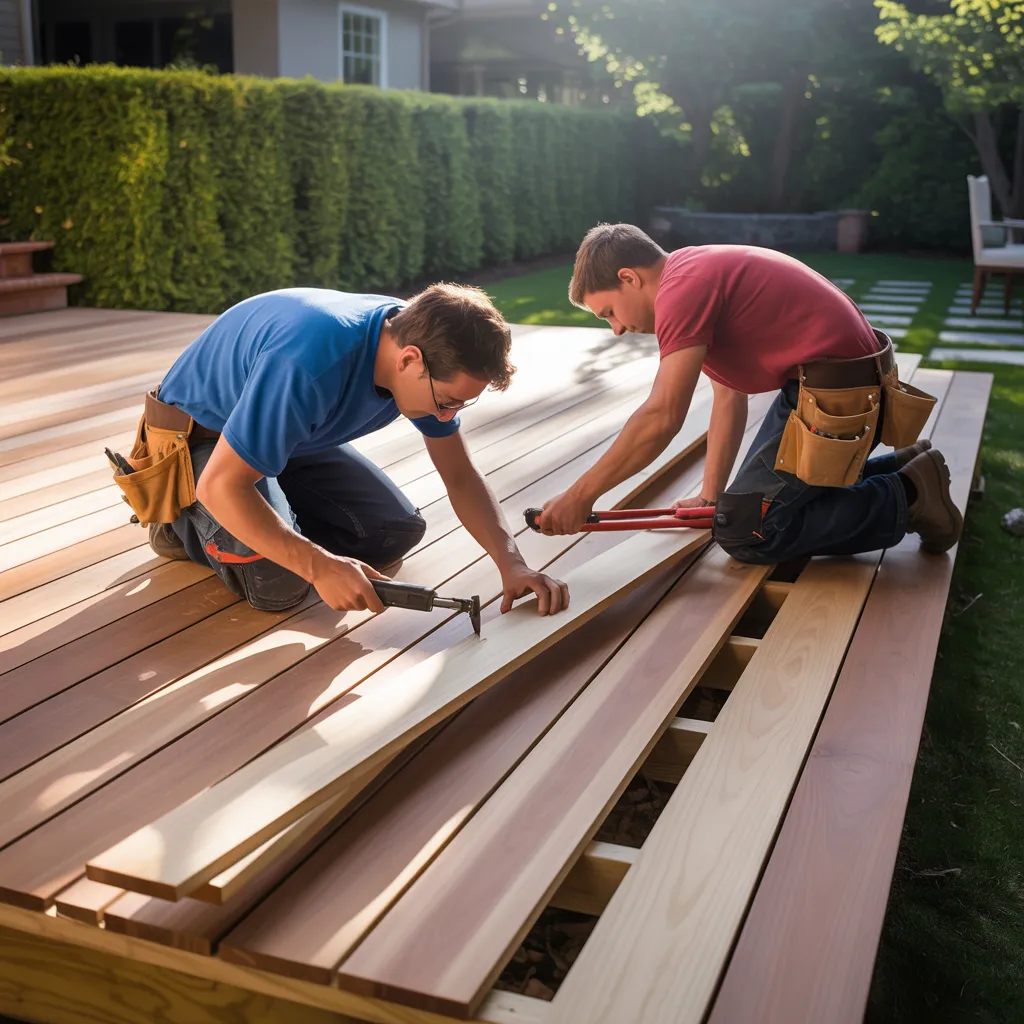
Recognize Frequent Deck Issues to Address
When homeowners begin to notice issues with their decks, identifying common problems becomes essential for effective repairs. One frequently encountered issue is wood rot, frequently brought on by the accumulation of moisture, which can weaken the structural integrity of the deck. Furthermore, splintering and cracking can arise from prolonged weather exposure and neglected upkeep, creating potential safety hazards. Loose and warped boards can similarly result in tripping dangers, making it necessary to address them quickly. Moreover, faded or peeling finishes indicate the need for refinishing, as they detract from the deck's aesthetic appeal. Homeowners may also encounter issues with railings, such as instability or missing balusters, that can pose safety concerns. Finally, mold and mildew growth can develop in damp areas, demanding quick cleaning to ensure a safe and healthy space. Recognizing these common problems empowers homeowners to take proactive steps toward preserving their decks and ensuring longevity.
Assess Deck Damage and Create a Repair Plan
What steps can homeowners take to properly evaluate deck damage and develop a repair strategy? To begin, they should perform a comprehensive visual examination, searching for indicators of rot, warping, or deteriorating boards. Inspecting the deck's structural elements, including support beams and joists, is essential since concealed damage can jeopardize safety. Property owners should additionally inspect hardware such as screws and nails for signs of rust or corrosion.
After the damage has been identified, it's important to classify the problems according to their severity. Small surface imperfections may call for straightforward sanding and staining, while more serious structural issues could necessitate replacing entire boards or supports.
Establishing a complete repair strategy requires ranking tasks by importance, calculating the necessary time and effort, and determining the necessary tools and skills. Logging discoveries will help streamline the repair process, making certain that all problem areas are resolved methodically and thoroughly.
Pick Deck Repair Products
Selecting the right components for restoring a deck is vital for obtaining enduring outcomes. It requires familiarizing yourself with multiple wood varieties, choosing appropriate stains and sealants, and ensuring the proper tools and equipment are at your disposal. A detailed consideration of these aspects can greatly improve the outdoor deck's appearance and durability.
Wood Type Guide
Selecting the appropriate wood species is vital for effective deck restoration. Various wood options offer different aesthetics, durability, and maintenance requirements. Pressure-treated lumber is a popular choice due to its resistance to decay and insects, making it suitable for budget-conscious homeowners. Cedar and redwood provide natural beauty and resistance to warping but require regular maintenance to preserve their appearance. Tropical hardwoods, like ipe and teak, boast exceptional durability and weather resistance, although they come at a higher price point. Composite options, made from a mixture of wood fibers and plastic, deliver low-maintenance durability but might not replicate the authentic appearance of natural wood. Every choice comes with its own advantages and factors to consider, impacting the outcome of a deck restoration endeavor.
Stains and Sealants
Sealants and stains are critical for protecting the integrity and aesthetic of a deck. These solutions defend wood from moisture, UV rays, and mold, thereby extending its lifespan. Sealants form a protective barrier against water, stopping rot and deterioration. Stains, on the other hand, bring out the wood's natural appeal while offering color choices that suit outdoor environments. Available in transparent, semi-transparent, or solid finishes, allowing homeowners to choose the desired level of visibility of the wood grain. Picking the correct product is based on factors such as wood species, environmental conditions, and personal taste. Regular application of sealants and stains is important for maintaining the deck's aesthetic appeal and functional performance over time.
Equipment and Tools
Assembling the right tools and equipment is vital for successful deck refurbishment. Deck owners should begin with a power washer to scrub the deck's surface, removing dirt and mildew effectively. A sturdy sander, ideally an rotary one, is important for smoothing coarse sections and readying the wood for treatment. Additionally, a set of brushes and applicators will assist with applying sealants and stains consistently. Critical safety equipment, such as goggles and gloves, ensures protection during the renovation process. Other useful tools include a flat bar for taking out deteriorated boards, a hammer for fastening loose nails, and a tape measure for precise cuts. To conclude, a high-grade wood filler can be used to address small flaws, contributing to the deck's overall longevity and appearance.
Step-by-Step Instructions for Repairing Deck Boards
Fixing deck boards may feel overwhelming, but a methodical strategy makes the process much easier. First, assess the damage by inspecting each board for cracks, warping, or rot. This early inspection allows you to decide if the boards need repair or full replacement. Next, gather necessary tools such as a pry bar, drill, and replacement boards if needed.
To begin repairs, remove any damaged boards with the help of a pry bar, making sure not to harm surrounding boards. When dealing with small cracks, you can apply wood filler or epoxy, followed by sanding smooth upon drying. Should you need to replace boards, ensure the replacement boards correspond to the existing material in dimensions and type. Fix the replaced or repaired boards in place with screws, ensuring a tight fit. Lastly, inspect for any raised nails or screws that may present a safety risk. This methodical process ensures a safe and successful deck board restoration, enhancing both appearance and functionality.
Revitalize Your Deck's Finish and Shield It
Rejuvenating a deck's finish not only elevates its aesthetic appearance but also is essential in shielding the wood from the outdoor conditions. Over time, exposure to sun, rain, and temperature fluctuations can wear down the deck's finish, leading to splintering and fading. A fresh coat of stain or sealant acts as a protective shield, preventing moisture intrusion and UV damage.
Before adding a new coat of finish, it is crucial to give the deck a thorough cleaning to get rid of dirt, debris, and existing finishes. This can often involve power washing and scrubbing with a suitable cleaner. Once dry, a superior stain or sealant should be chosen based on the intended finish, whether fully transparent, semi-transparent, or opaque. Applying the product evenly with a brush or roller guarantees extensive coverage. Allowing adequate drying time is important for attaining optimal protection and durability, keeping the deck well-protected for the long term.
How to Maintain Your Restored Deck for Longevity
To keep a restored deck remains in top shape, routine care is necessary. Establishing a consistent cleaning schedule, carrying out regular damage assessments, and using a quality protective sealant can greatly extend its lifespan. By adhering to these practices, homeowners can protect the beauty and functionality of their outdoor space.
Scheduled Cleaning Routine
How frequently should a refinished deck be cleaned to ensure its durability? A consistent cleaning routine is crucial for maintaining the deck's look and performance. Generally, a deck should be washed every three to six months, based on the local climate and environment. In regions that experience significant rainfall or limited sunlight, additional cleanings may be required to avoid mold and mildew buildup.
Utilizing a light soap mixture alongside a soft-bristle brush works to clear dirt and debris without causing surface damage. Moreover, homeowners ought to concentrate on eliminating leaves and other natural debris, which have a tendency to hold moisture. By following this maintenance schedule consistently, the deck will stay in excellent shape, preserving both its longevity and visual charm for many years ahead.
Inspect for Damage
Consistently checking a restored deck for damage is vital for maintaining its long-term condition. Homeowners are advised to conduct detailed checks at least biannually, ideally in the spring and autumn seasons. During these evaluations, they should watch for signs of wear, such as cracked wood, unfastened boards, or rusted fasteners. Additionally, looking for mildew or mold development is vital, as these can compromise the deck's integrity. Focus carefully on areas where water can pool, as trapped moisture can lead to serious structural problems. It is also important to examine handrails and steps for soundness. Addressing minor issues promptly can avoid expensive fixes, guaranteeing the deck stays a comfortable and safe space for years to come. Ongoing diligence is essential for preserving its beauty and functionality.
Implement Protective Sealant
Applying a protective sealant is vital for preserving a restored deck's longevity and appearance. Once repairs are finished, a premium sealant application protects the wood against moisture, UV damage, and possible mold development. The application process typically begins with a clean, view this guide dry surface, ensuring that dirt and debris do not interfere with adhesion. Employing a brush or roller, consistent coats ought to be applied, providing enough drying time between applications. Regular maintenance, including reapplication every one to three years, is essential to maintain the deck's protective barrier. This proactive approach not only enhances the deck's natural beauty but also greatly extends its lifespan, ensuring that it remains a safe and inviting outdoor space for years to come.
Questions We Often Receive
How Frequently Should I Check My Deck for Damage?
Evaluating a deck for wear and damage should be done no fewer than two times each year, with the best times being spring and fall. Periodic assessments are essential for identifying wear, moisture issues, or pest infestations, maintaining the deck's safety and usability.
Can I Repair My Deck in Rainy Weather?
Repairing a deck in rainy weather is generally not advisable. Wet conditions can compromise the performance of adhesives and sealants, resulting in subpar outcomes. It is advisable to wait for dry weather to ensure a successful repair.
What Is the Ideal Time of Year for Deck Restoration?
The best time for deck renewal usually happens in spring or early fall. In these times of year, temperatures are moderate, humidity is manageable, and the likelihood of precipitation is minimal, creating optimal conditions for effective repairs and treatments.
What Eco-Friendly Materials Are Available for Deck Repair?
Certainly, a wide range of eco-friendly materials can be used for deck repair, including bamboo, recycled plastic, and responsibly harvested wood. Such choices not only lower environmental impact but also boost durability, offering a sustainable solution for deck restoration.
What Does Professional Deck Repair Usually Cost?
Professional deck restoration expenses typically range from $500 to $2,500, influenced by factors like the size, materials used, and degree of damage. Homeowners should obtain multiple quotes for reliable cost estimation and assured workmanship.